
Our commitment to building self-reliant, empowered, and equitable communities is deeply embedded in our broader mission of delivering joy to people's lives. Ensuring the enhanced availability of clean and perennial water supply, especially in underserved areas, is a critical enabler of this vision.
To translate this into action, we launched 'Watermark', our flagship water stewardship initiative, which aims to redefine how communities perceive and use water.
Leaving a Watermark

Introduced in 2023, Asian Paints' Watermark initiative embodies a comprehensive approach to water stewardship, recognising water as both a crucial environmental resource and a cornerstone of community well-being. Watermark signifies an evolution in our community-focussed engagement on water. The initiative consolidates all waterrelated efforts into a single, cohesive platform aimed at addressing challenges related to water availability, accessibility, quality, and land degradation. By integrating technical expertise with ecological and social strategies, Watermark continues to deliver meaningful and measurable outcomes, contributing to the sustainable development of communities across the company's operational footprint.
By tackling water-related challenges through multi-faceted projects, Watermark fosters self-sustaining practices and drives long-term behavioural transformation at the grassroots level.
We have reinforced our focus on transparency and accountability by integrating real-time monitoring and impact measurement tools into our water programmes. This enables us to track socio-economic outcomes and adapt interventions dynamically for greater impact.
Key Pillars of Watermark
The Watermark initiative is built on a foundation of strategic principles that ensure its effectiveness, sustainability, and community relevance. These pillars guide the planning, execution, and evolution of all water-related projects:
-
Transition from creating water potential to establishing a collaborative water governance model
-
Ensure all projects deliver quantifiable social impact
-
Conduct feasibility assessments for design and cost-effectiveness by qualified professionals
-
Implement periodic reviews to monitor project progress and effectiveness
-
Pilot innovative water management solutions to explore new approaches
-
Promote continuous learning through collaboration with external experts
-
Encourage active community participation to foster wider adoption and ownership
-
Maintain effective communication of water body transformations through targeted interventions
Exploratory and innovative interventions
Supply side
Limited access to water for drinking and irrigation continues to affect access to clean water for daily use and farming needs. Our supply-side interventions aim to improve water availability and retention, with a focus on restoring water in natural ecosystems and enabling long-term water resilience.
Key initiatives
Integrated Watershed Management
-
Canal lining to prevent water loss due to seepage
Rejuvenation of water bodies
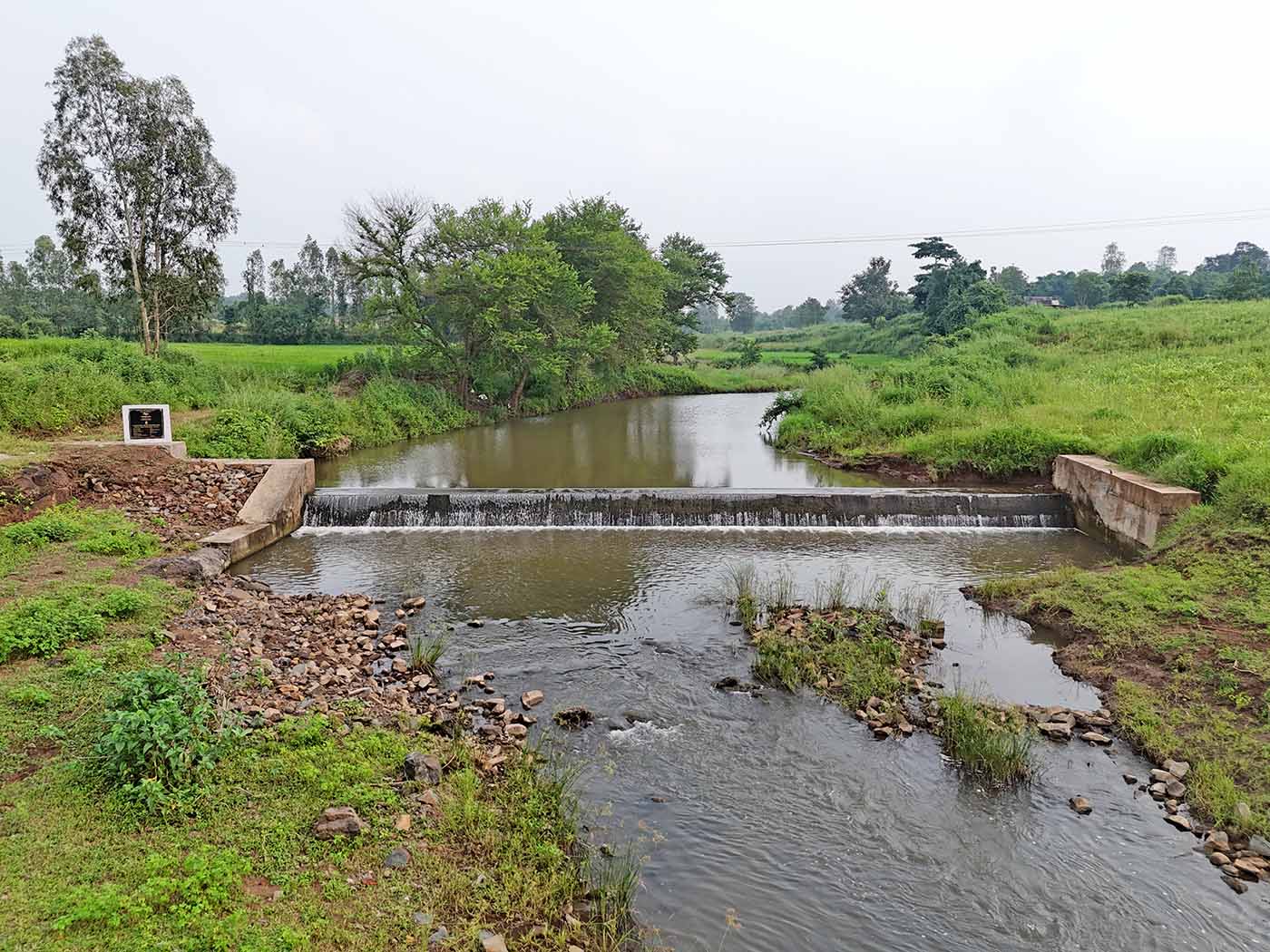
Construction and repair of check dams
Demand side

Climate variability and uneven rainfall patterns are disrupting local water access and livelihoods. To address this, we focus on efficient usage of water resources, empowering communities to optimise their consumption and adopt sustainable agricultural practices.
Key initiatives
Promotion of micro-irrigation
-
System of rice intensification with alternate Wet-Dry method
-
Sustainable agriculture by promoting low water intensive crops and their varieties
-
Reduce dependence on ground water by promoting surface water storage
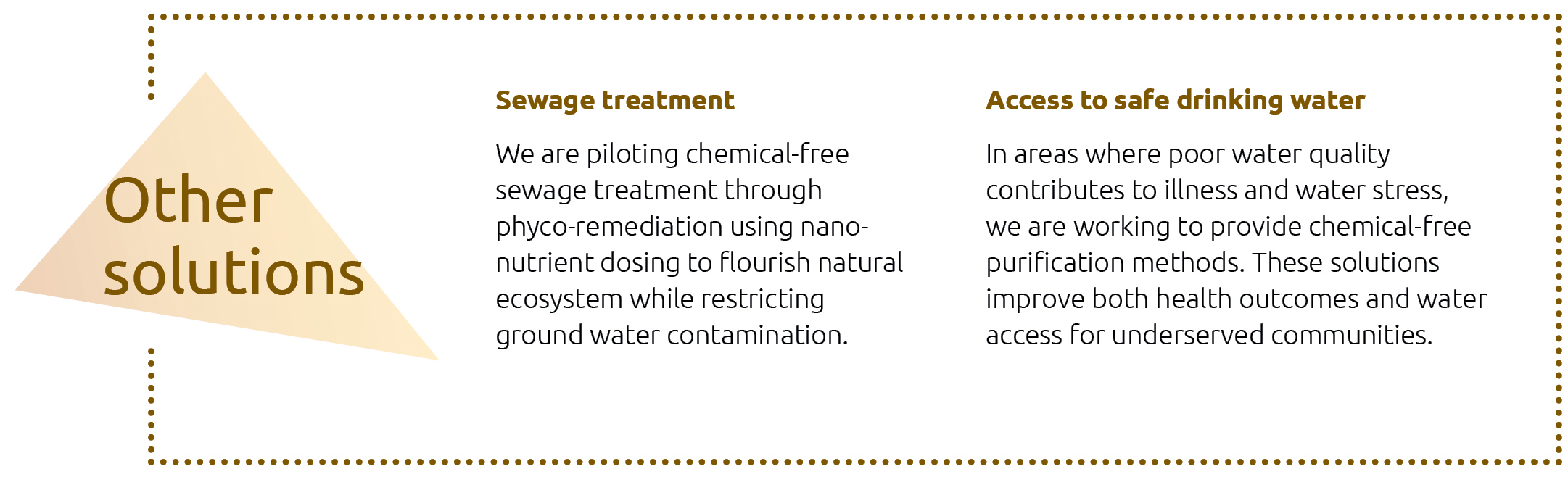
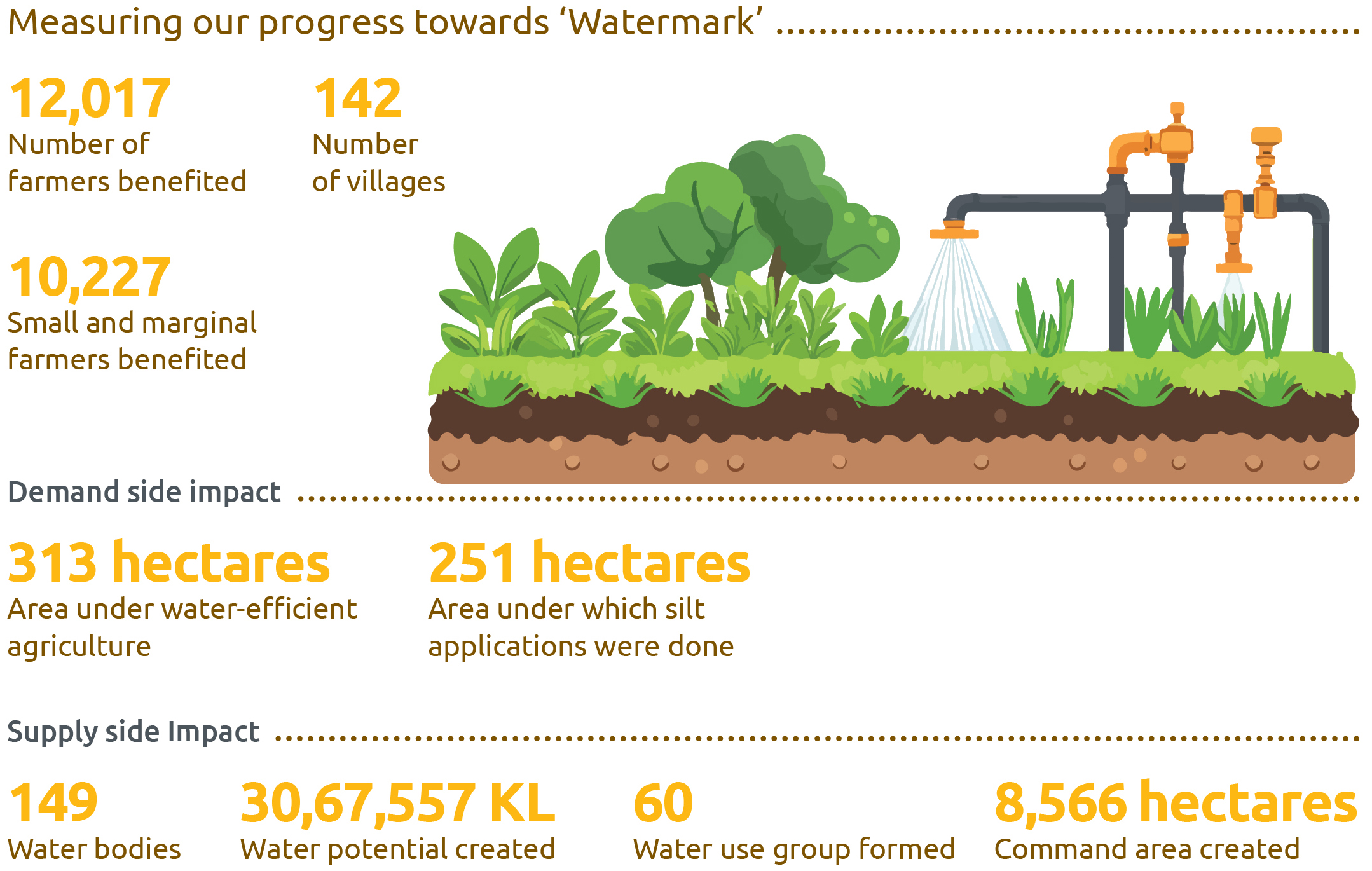
Watermark blends technical expertise, ecological responsibility, and community collaboration to transform how water is accessed and valued. By restoring ecosystems and improving livelihoods, it's building empowered communities and shaping resilient futures.
Supply side initiatives
Integrated Watershed Management (IWSM)
Our IWSM programme adopts a comprehensive approach to managing land and water resources in rural landscapes. By integrating ecological restoration with community development, the initiative strengthens both environmental and social resilience. Key interventions include:
-
Construction of gully plugs and continuous contour trenches
-
Installation of stone bunds
-
Renovation and construction of earthen and cement nala bunds
-
Afforestation and large-scale tree plantation drives
These measures collectively reduce surface runoff, enhance soil moisture retention, and mitigate land degradation, contributing to improved agricultural outcomes and water sustainability.
Canal Lining
To improve irrigation efficiency and minimise water loss, canal lining has been undertaken in Rohtak. By reinforcing canal beds with impermeable materials, water seepage is significantly reduced, ensuring optimal delivery to agricultural fields. This initiative supports the region’s agrarian economy, conserves critical water resources, and promotes higher crop yields.
Rejuvenation of Water Bodies (RWB)
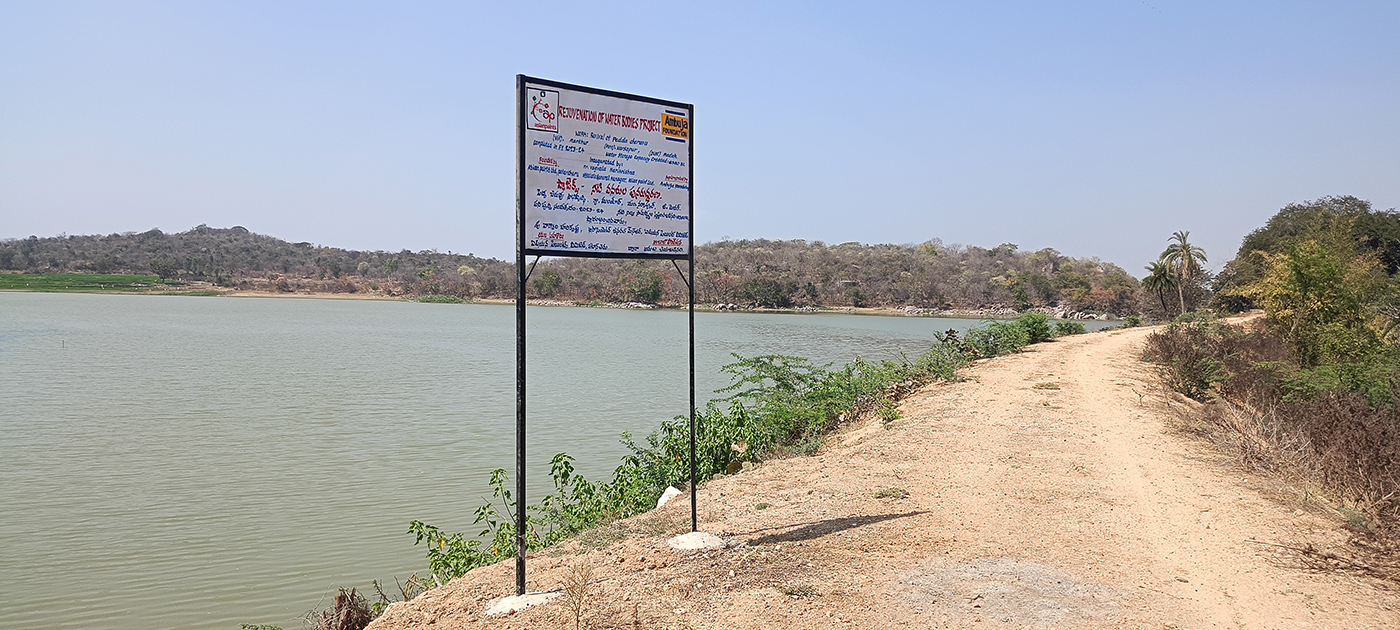
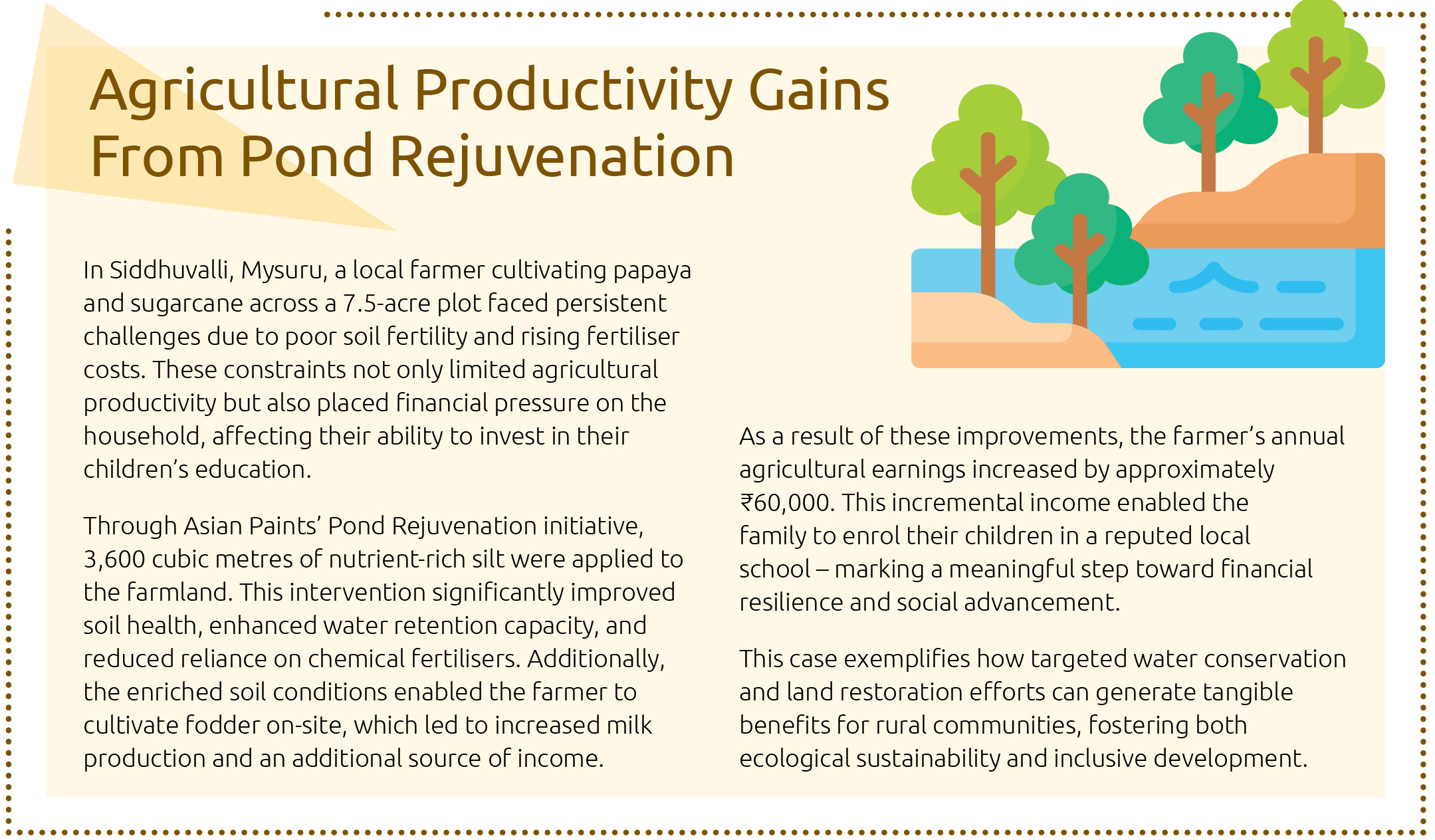
In FY 2024-25, we identified and desilted dry tanks and water bodies across multiple locations including Kasna, Khandala, Mysuru, Patancheru, Cuddalore, Sriperumbudur, Vizag, and Ankleshwar. These efforts restored the storage capacity and recharge potential of these water bodies, directly benefiting local communities and ecosystems.
Check Dam Construction and Renovation
In Gujarat's Narmada district, we are actively constructing and renovating check dams to regulate water flow, prevent soil erosion, and enhance groundwater recharge. These structures play a vital role in water conservation and support sustainable agricultural practices in the region.
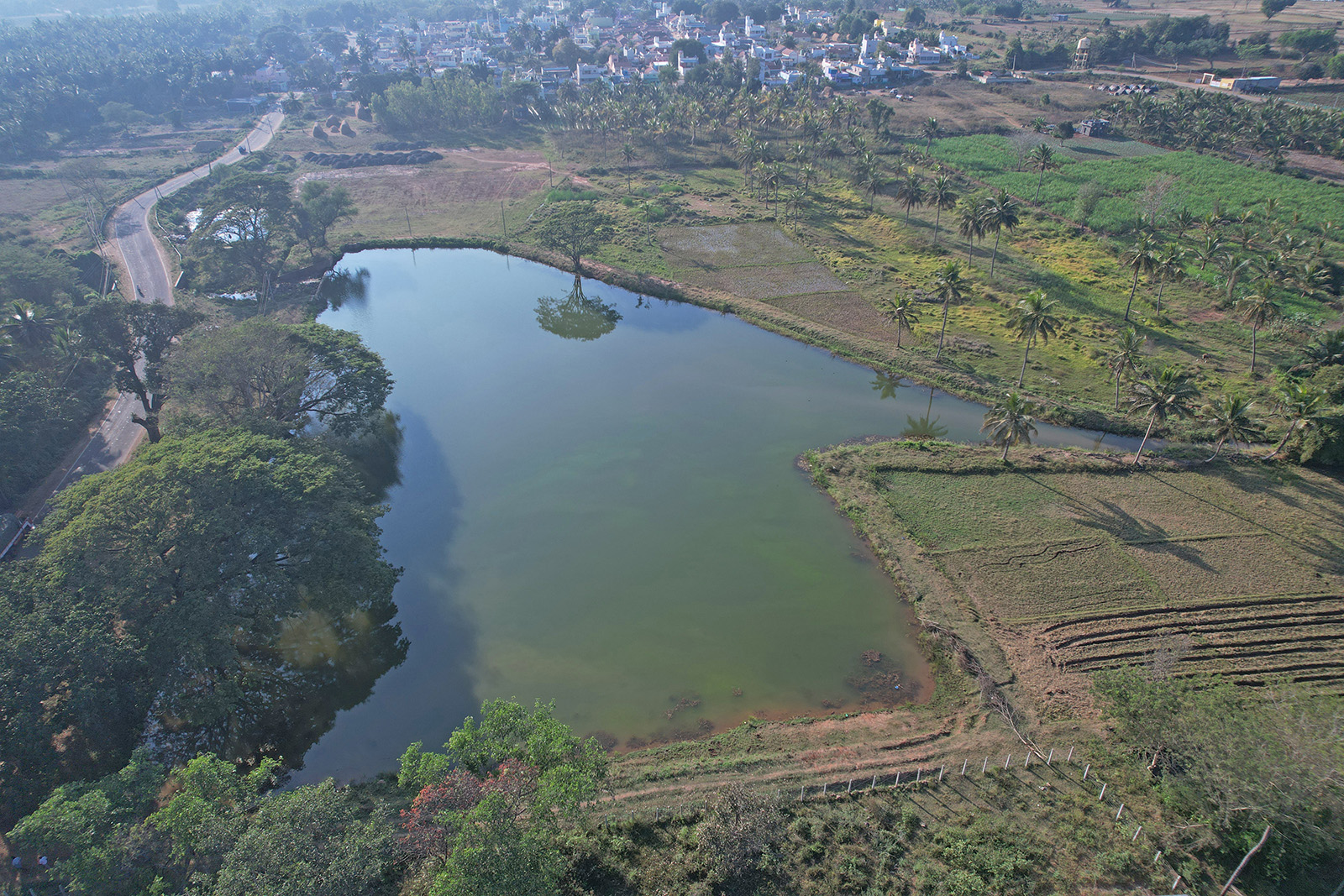
RWB Project - Mysuru
Demand side initiatives
Promotion of Micro-irrigation
Micro-irrigation systems – such as drip and sprinkler irrigation – are being promoted across suitable regions to enhance water use efficiency and expand irrigated land. These efforts are supported through convergence with government schemes, financial incentives, technological innovations, and farmer education programmes that encourage adoption and long-term impact.
System of Rice Intensification (SRI)
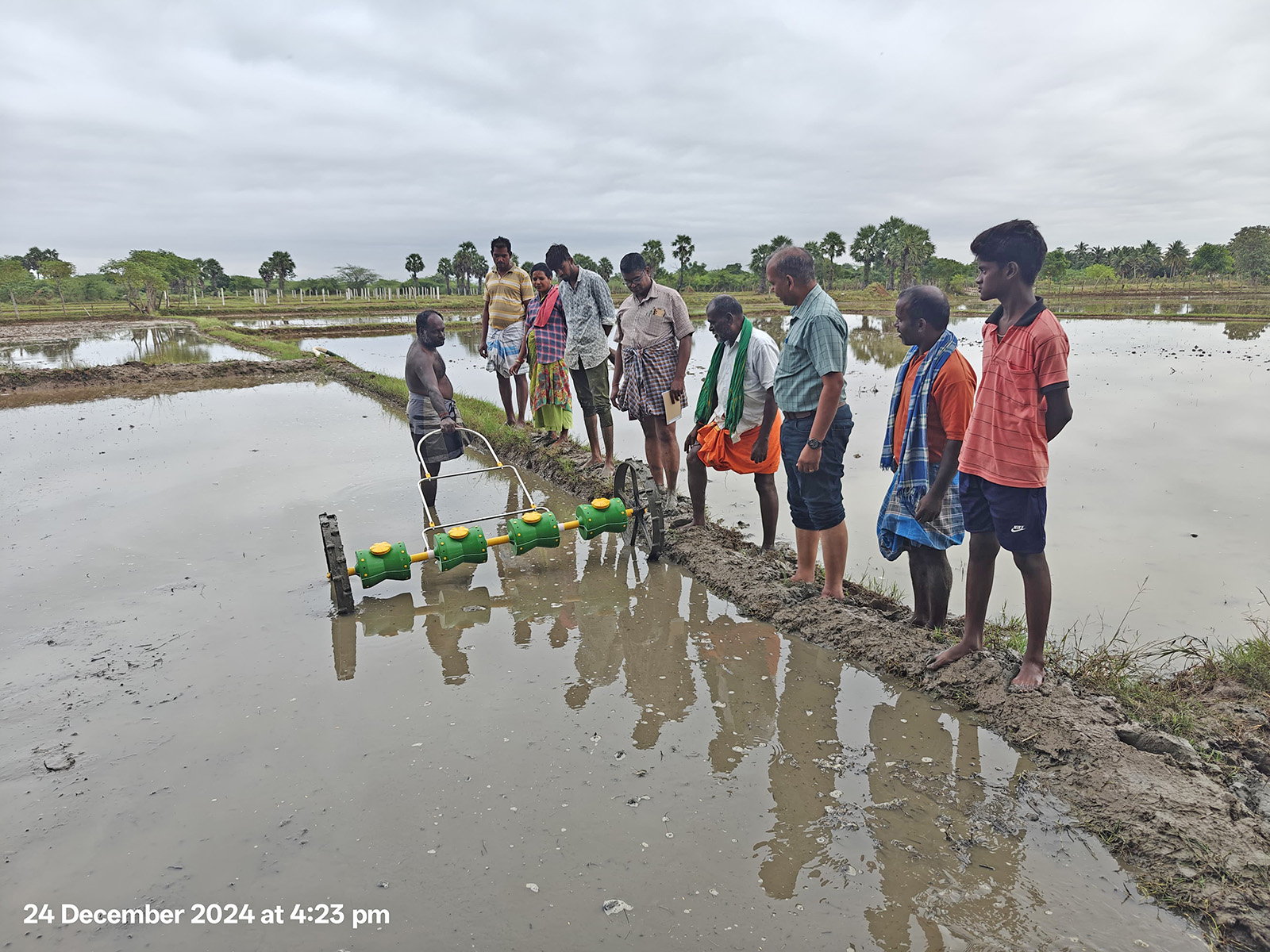
In line with the Indian Council of Agricultural Research (ICAR)’s push for sustainable farming, our company is actively promoting the System of Rice Intensification (SRI) among rice farmers. Through focussed outreach and training, we advocate innovative practices like flood irrigation management and Direct Seeded Rice (DSR) to enhance paddy cultivation efficiency.
Our field teams collaborate with farmers to showcase SRI benefits – planting single seedlings with wider spacing, maintaining healthy soil, using intermittent irrigation, and frequent inter-cultivation. These methods reduce water, seed, and chemical use while boosting yields and economic returns.
By equipping farming communities with knowledge and hands-on support, we are driving a shift toward more resilient and resource-efficient rice production.
Sustainable Agriculture Practices
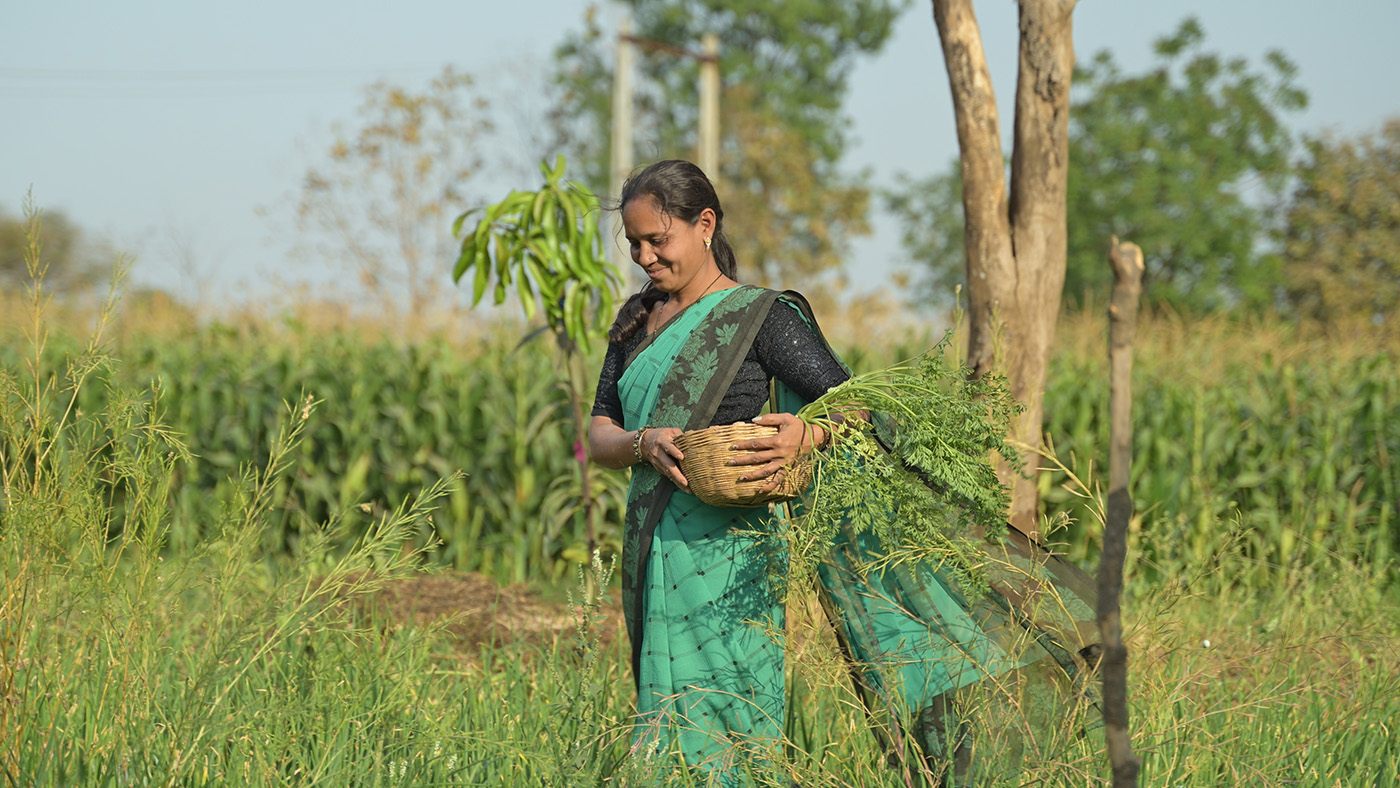
Our sustainable agriculture initiatives focus on farming methods that protect the environment while ensuring long-term economic viability for farmers. We actively promote practices such as organic farming, crop rotation, soil conservation, and integrated pest management to enhance land productivity and ecological balance. To support adoption, our in-house NGO experts conduct knowledge sessions and on-ground demonstrations, equipping farmers with practical skills and insights. We also provide essential agricultural inputs, including bio-fertilisers, frontline demonstration kits, and irrigation setups, to help farmers transition to more sustainable practices.
Promotion of Surface Water Storage
Surface water storage is being strengthened through the development and maintenance of water harvesting structures including check dams, ponds, reservoirs, and canals. These efforts are complemented by rainwater harvesting initiatives and awareness campaigns that encourage responsible water use and reduce pressure on groundwater resources.